
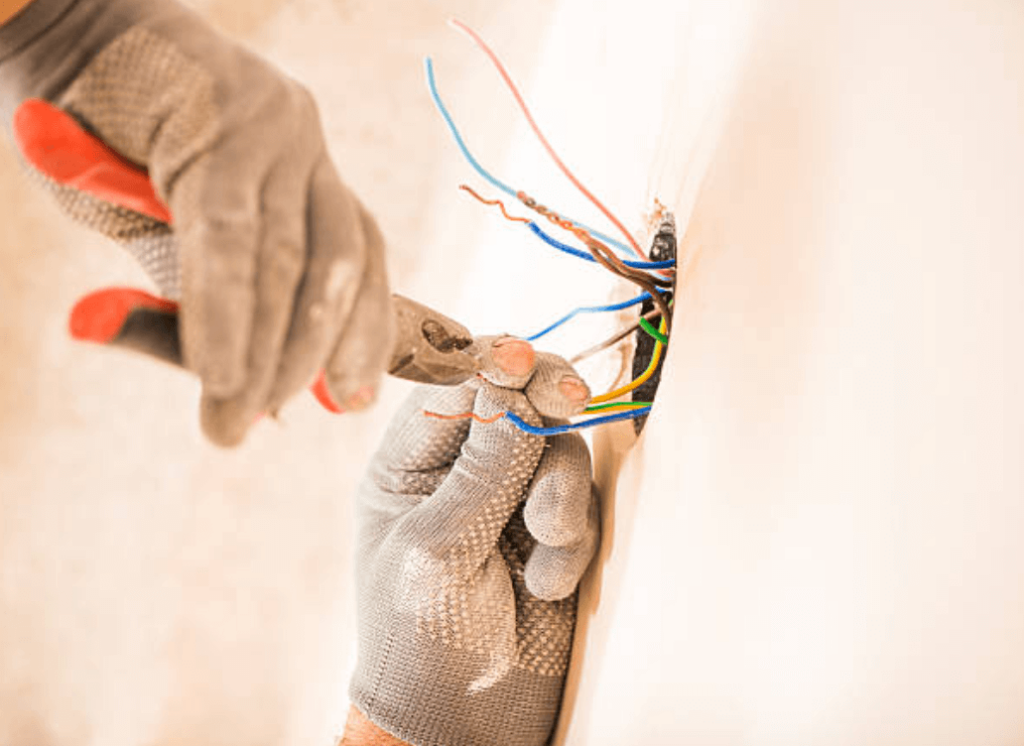
British Columbia is home to some of Canada’s most beautiful and historic residential neighborhoods. From the charming heritage homes in North Vancouver and West Vancouver to the post‑war bungalows in Burnaby and New Westminster, many properties across the Lower Mainland were built decades ago—long before today’s electrical demands were even imagined. While these homes possess undeniable character and charm, their electrical systems often tell a different story. Outdated wiring, undersized panels, and obsolete materials like aluminum or knob‑and‑tube wiring can pose serious safety risks, limit your ability to use modern appliances, and even affect your home’s insurability.
If you own an older home in Coquitlam, Port Coquitlam, Pitt Meadows, Maple Ridge, Surrey, Langley, Richmond, Port Moody, or anywhere in Greater Vancouver, you may be wondering: Does my home need rewiring? How much will it cost? What are the benefits? This comprehensive guide will answer all those questions and more, helping you make an informed decision about one of the most important investments you can make in your property.
At Skynoor Electric, we specialize in whole‑house rewiring and electrical upgrades for older homes across the Lower Mainland. Our licensed, Red Seal‑certified electricians have extensive experience bringing aging electrical systems up to modern safety standards.
Why Older Homes Need Rewiring
Homes built before the 1980s often have electrical systems that were never designed to handle today’s electrical loads. Consider this: a typical home in the 1960s might have had a 60‑amp or 100‑amp service, a few dozen outlets, and wiring that supported basic lighting and a handful of appliances. Today, the average home contains dozens of devices—smartphones, tablets, laptops, televisions, gaming consoles, microwaves, dishwashers, washing machines, dryers, air conditioners, and increasingly, electric vehicle chargers. Add to that the growing trend of working from home, and you can see why older systems are under tremendous strain.
Common Electrical Issues in Older Homes
Knob‑and‑Tube Wiring
Common in homes built before the 1950s, knob‑and‑tube wiring consists of single insulated conductors run through ceramic knobs and tubes. While it was innovative for its time, it lacks a grounding conductor, cannot safely handle modern electrical loads, and its insulation becomes brittle and dangerous with age. Most insurance companies will not insure a home with active knob‑and‑tube wiring.
Aluminum Wiring
Used extensively in homes built between the 1960s and 1970s, aluminum wiring is prone to oxidation and expansion/contraction, which can lead to loose connections and overheating. This significantly increases the risk of electrical fires. While aluminum wiring can sometimes be made safer with special connectors (COPALUM), rewiring is often the more reliable long‑term solution.
Outdated Electrical Panels
Homes with fuse boxes or panels with limited capacity (60‑100 amps) cannot safely power modern homes. Frequent breaker trips, flickering lights, and warm panels are warning signs that your panel is undersized.
Lack of Grounding
Older homes often have two‑prong outlets without a ground wire. This means sensitive electronics are not protected from surges, and there is a higher risk of electrical shock.
Over‑Fused Circuits
It’s not uncommon to find oversized fuses or breakers installed in older panels, which allows circuits to carry more current than the wiring can safely handle—a recipe for disaster.
The Rewiring Process: What to Expect
Rewiring a home is a significant undertaking, but when done by a professional team, it is manageable and transformative. Here is a step‑by‑step overview of what typically happens during a whole‑house rewiring project.
1. Initial Assessment and Planning
The first step is a thorough inspection of your home’s existing electrical system. Our team will assess the type of wiring, the condition of your panel, and the layout of your home. We’ll discuss your current and future electrical needs—whether you plan to add an EV charger, install smart home features, or renovate your kitchen. This assessment allows us to design a customized rewiring plan that minimizes disruption and maximizes efficiency.
2. Permit and Code Compliance
All rewiring projects must comply with the Canadian Electrical Code and the BC Electrical Code and require permits from Technical Safety BC. We handle all permitting and inspection coordination, ensuring your project is fully compliant and properly documented.
3. Power Shutdown and Preparation
On the day of the rewiring, we will safely disconnect your home from the grid. We’ll protect your floors and furniture with drop cloths and plastic sheeting, and we’ll work room by room to minimize dust and inconvenience.
4. Running New Wiring
Our electricians will run new copper wiring throughout your home. We use modern, insulated, grounded cables that are rated for today’s electrical loads. In most cases, we can fish new wires through existing walls, avoiding the need for extensive drywall repair. However, some situations—especially with knob‑and‑tube wiring—may require opening select sections of wall.
5. Panel Upgrade and New Breakers
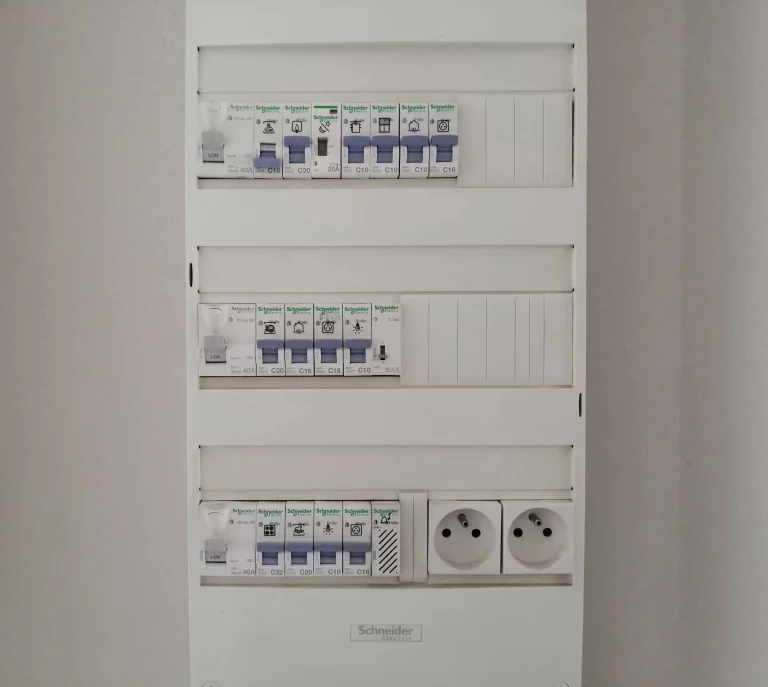
During the rewiring, we also upgrade your electrical panel to a modern unit with ample capacity—often to 200 amps or even 400 amps for larger homes. We install new circuit breakers that provide better protection and accommodate new circuits for appliances, EV chargers, and more.
6. Installing New Outlets, Switches, and Lighting
We replace all old outlets and switches with modern, grounded, tamper‑resistant versions. We also install GFCI outlets in kitchens, bathrooms, and outdoor areas, and AFCI breakers for added fire protection. This is also the perfect time to upgrade to smart dimmers, USB‑integrated outlets, or under‑cabinet lighting.
7. Inspection and Final Testing
Once the new wiring is in place, our FSR‑certified electricians perform comprehensive testing to ensure everything is safe and functional. A Technical Safety BC inspector will then visit your home to verify compliance, and upon passing, we’ll receive final sign‑off.
8. Cleanup and Restoration
We leave your home as clean as we found it. Any minor drywall damage will be patched, and we’ll provide guidance on how to finish or repaint if needed. We also provide a detailed record of the work done for your future reference.
Benefits of Rewiring Your Older Home
While rewiring is an investment, it offers numerous benefits that go far beyond safety. Here’s why it’s one of the best upgrades you can make for your home.
Enhanced Safety
This is the most critical benefit. Rewiring eliminates the risk of electrical fires, shocks, and other hazards associated with outdated systems. You’ll have peace of mind knowing your family and property are protected.
Increased Home Value and Marketability
A fully rewired home with a modern electrical panel is a major selling point. Potential buyers in Surrey, Langley, Richmond, Maple Ridge, and beyond are increasingly looking for homes that are safe, efficient, and ready for modern technology. Rewiring can significantly boost your property’s resale value.
Ability to Use Modern Appliances and Devices
With a modern electrical system, you can safely operate high‑power appliances, home offices, entertainment systems, and EV chargers without fear of overloading circuits or tripping breakers.
Energy Efficiency
New wiring, panels, and LED lighting reduce energy loss and can lower your electricity bills. You’ll also be ready for future energy‑saving technologies like solar panels and battery storage systems.
Insurance Approval
Many insurance companies will refuse to cover homes with knob‑and‑tube or aluminum wiring. Rewiring ensures you can obtain affordable, comprehensive home insurance without hassle.
Future‑Proofing
A properly designed electrical system can accommodate future upgrades—smart home technology, additional EV chargers, home additions, and more. You’ll be ready for whatever comes next.
Cost of Rewiring a Home in BC
The cost of rewiring an older home varies widely depending on several factors:
-
Size of the home – Larger homes require more materials and labour.
-
Type of existing wiring – Removing knob‑and‑tube is more labour‑intensive than replacing aluminum.
-
Accessibility – Homes with crawl spaces, attics, or unfinished basements are easier and cheaper to rewire than homes with finished spaces.
-
Panel upgrade – Upgrading to 200‑amp or 400‑amp service adds to the cost but is essential for most homes.
-
Extent of rewiring – A full whole‑house rewire costs more than a partial upgrade.
Average Cost Estimates
-
Small home (under 1,500 sq. ft.) – $8,000 to $12,000
-
Medium home (1,500–2,500 sq. ft.) – $12,000 to $18,000
-
Large home (over 2,500 sq. ft.) – $18,000 to $25,000 or more
These are rough estimates and can vary significantly. At Skynoor Electric, we provide free, detailed estimates so you know exactly what to expect before we begin.
Signs It’s Time to Rewire Your Home
Not sure if your home needs a full rewire or just a panel upgrade? Look for these warning signs:
-
Frequent flickering or dimming lights
-
Breakers that trip often or fuses that blow regularly
-
Warm or discolored outlets and switch plates
-
Burning smells near outlets, switches, or your panel
-
Buzzing or crackling sounds from electrical devices
-
Sparking when plugging in appliances
-
Lights that dim when you turn on appliances
-
Two‑prong outlets throughout your home
-
A fuse box instead of a circuit breaker panel
-
Your insurance company has requested an electrical inspection
If you notice any of these signs, don’t wait. Contact a licensed electrician to assess your home’s electrical system.
Why Choose Skynoor Electric for Your Rewiring Project?
Rewiring a home requires skill, experience, and attention to detail. Here’s why homeowners across the Lower Mainland trust us for this important project:
-
Licensed, Red Seal, and FSR‑certified electricians – We have the qualifications and experience to handle complex rewiring projects safely and efficiently.
-
Local expertise – We know the specific electrical challenges and building styles in Burnaby, Coquitlam, Port Coquitlam, North Vancouver, West Vancouver, Pitt Meadows, Maple Ridge, Surrey, Langley, Richmond, Port Moody, and beyond.
-
Comprehensive service – From permits and planning to installation and inspection, we manage every detail.
-
Minimal disruption – We work efficiently and cleanly, respecting your home and schedule.
-
Transparent pricing – Upfront estimates with no hidden fees.
-
Post‑project support – We stand behind our work and are always available for questions or follow‑up.
Conclusion
Rewiring an older home is one of the smartest investments you can make. It protects your family, increases your property value, enables modern technology, and provides peace of mind for decades to come. If your home was built before the 1980s—especially if it still has knob‑and‑tube or aluminum wiring—it’s time to consider a professional evaluation.
Don’t wait until a small warning sign becomes a major emergency. Take control of your home’s electrical safety and efficiency today.
📞 Call us for a free consultation: +1 (778) 558-9519