
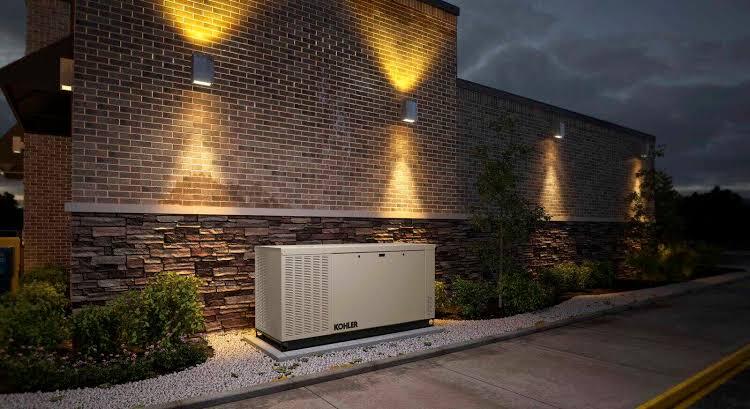
Power outages are more than an inconvenience for businesses in Greater Vancouver—they are a direct threat to revenue, reputation, and safety. Whether you operate a restaurant in Maple Ridge and need an Electrician in Maple Ridge to install a standby generator, or you manage a warehouse in Coquitlam and require a Coquitlam electrician to assess your backup power needs, having a reliable generator is essential. In Burnaby, many office buildings now rely on a Burnaby electrical contractor to design and install commercial generator systems that keep operations running during grid failures. Similarly, retail centers in Vancouver depend on a Vancouver electrician to ensure their generator meets city bylaws and Canadian Electrical Code requirements. This guide explains everything you need to know about commercial generator installation, from load calculations to permits and maintenance.
Why Your Business Needs a Commercial Generator
Protecting Revenue During Outages
A single power outage can cost a small business thousands of dollars in lost sales, spoiled inventory, and damaged equipment. For restaurants, grocery stores, and data centers, even a few minutes without power can be devastating. In Surrey, a Surrey electrical services provider can help you calculate the exact backup power capacity your business needs to avoid these losses.
Meeting Health and Safety Regulations
Many commercial buildings in Greater Vancouver are required by law to have emergency backup power for fire alarms, emergency lighting, and exit signs. Failure to comply can result in fines and, more importantly, endanger lives. A licensed electrician in Richmond can ensure your generator installation meets all Technical Safety BC and Canadian Electrical Code standards.
Ensuring Business Continuity
For businesses that rely on refrigeration, computer servers, or manufacturing equipment, a generator is not a luxury—it is a necessity. Even a brief outage can cause data loss, product spoilage, or production delays. Investing in a commercial generator protects your business continuity and your bottom line.
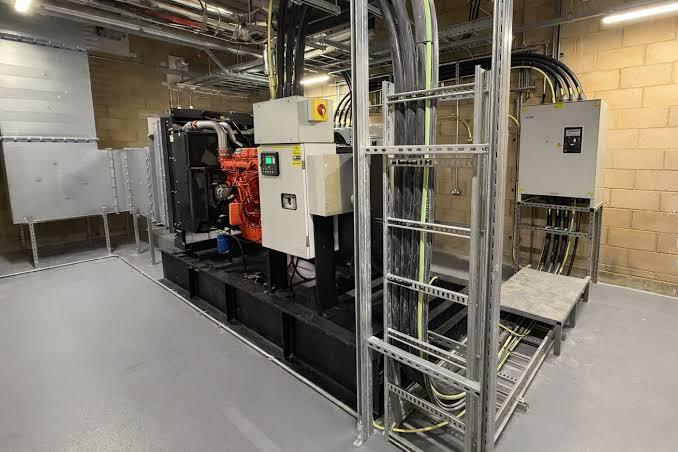
Types of Commercial Generators
Standby Generators
Standby generators are permanently installed outside your building and connected to your electrical panel. They automatically start within seconds of a power outage and run on natural gas or propane. These are ideal for businesses that cannot afford any downtime, such as hospitals, data centers, and large retail stores. A Port Coquitlam electrician can help you choose the right size and fuel type for your building.
Portable Generators
Portable generators are smaller, mobile units that run on gasoline or diesel. They are suitable for temporary power needs, such as construction sites or outdoor events. However, they are not designed for continuous operation and require manual setup. For most commercial properties, a standby generator is the better long-term solution.
Key Considerations Before Installing a Generator
Load Calculation
Before purchasing a generator, you must determine your critical load—the total power required to run essential equipment during an outage. This includes refrigeration, heating, security systems, and computers. A Langley electrical contractor can perform a professional load calculation to ensure you do not oversize or undersize your generator.
Fuel Type
Natural gas and propane are the most common fuels for standby generators because they do not require refueling. Diesel generators are more powerful but require fuel storage and regular maintenance. Your electrician can advise you on the best option based on your location and budget.
Placement and Ventilation
Generators must be installed outdoors with proper clearance from windows, doors, and combustible materials. They also require ventilation to prevent carbon monoxide buildup. Local bylaws in North Vancouver and West Vancouver may have specific requirements for generator placement, so always consult a licensed electrician before installation.
Permits and Inspections
All commercial generator installations in British Columbia require an electrical permit and a gas permit (if applicable). Your electrician will pull the permits, schedule inspections with Technical Safety BC, and ensure the installation meets all codes. Skipping permits can result in fines, forced removal, and voided insurance.
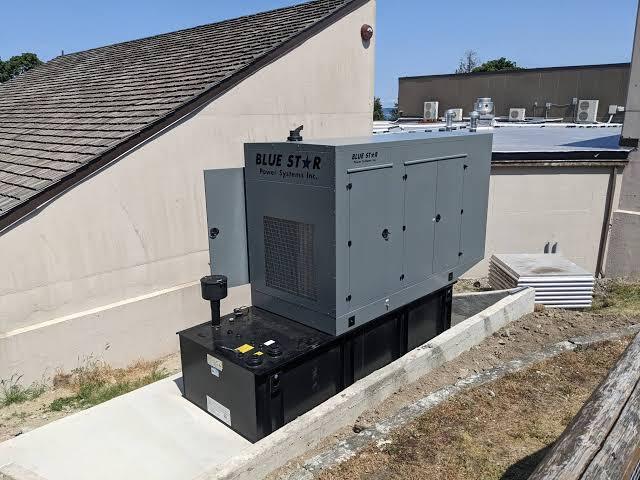
The Installation Process
Step 1: Site Assessment
A qualified electrician will visit your property to evaluate the best location for the generator, the distance to your electrical panel, and the routing of gas lines. They will also check for any obstructions or noise concerns.
Step 2: Electrical and Gas Connections
The generator must be connected to your building’s electrical panel via a transfer switch. This switch prevents backfeeding—a dangerous condition where generator power flows back into the grid and endangers utility workers. A Pitt Meadows electrician can install the transfer switch and ensure all connections are safe and code-compliant.
Step 3: Testing and Commissioning
After installation, the electrician will test the generator under load to ensure it starts automatically during an outage and runs smoothly. They will also train you on basic operation and maintenance.
Maintenance and Testing
Annual Maintenance
Generators require annual maintenance, including oil changes, filter replacements, and battery checks. A Port Moody electrician can provide a maintenance contract that includes regular inspections and priority emergency service.
Load Bank Testing
For larger commercial generators, annual load bank testing is recommended to verify that the generator can handle your full critical load. This involves running the generator at full capacity for an extended period.
Choosing the Right Electrician for Generator Installation
Not all electricians have experience with commercial generators. When hiring a contractor, ask:
-
Are you licensed and insured in British Columbia?
-
Do you have experience with standby generator installations?
-
Can you provide references from similar commercial projects?
-
Will you handle permits and inspections?
-
Do you offer ongoing maintenance and emergency support?
Whether you need a Maple Ridge electrical contractor for a restaurant or a Coquitlam electrician for a retail plaza, choosing a specialist ensures a safe, reliable, and code-compliant installation.
Cost and Rebates
Typical Costs
-
Standby generator hardware: $3,000–$15,000 depending on size
-
Installation labor: $2,000–$8,000 including transfer switch and gas lines
-
Annual maintenance: $300–$800
Available Rebates
-
BC Hydro: Rebates for energy-efficient generators
-
CleanBC: Incentives for businesses that install backup power
-
Federal tax credits: For certain commercial energy investments
Your electrician can help you identify and apply for these rebates.
Conclusion
Commercial generator installation is a complex project that requires careful planning, precise electrical work, and deep knowledge of local regulations. By partnering with a licensed electrician who specializes in backup power systems, you can protect your business from costly outages and ensure the safety of your employees and customers. Whether your property is in Maple Ridge, Coquitlam, Burnaby, Vancouver, Surrey, Richmond, or Langley, the right electrical contractor will guide you from load calculation to final inspection. Do not wait until the next storm to think about backup power—start planning today.