
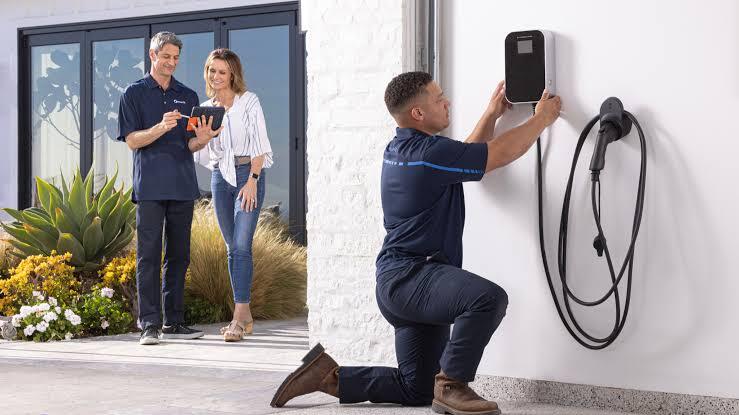
Electric vehicle adoption in British Columbia is accelerating faster than most businesses anticipated. By 2035, every new car sold in Canada will be electric, and commercial properties without charging infrastructure will struggle to attract tenants, customers, and employees. If you own a retail plaza in Maple Ridge, you will eventually need a qualified Maple Ridge electrician to assess your electrical panel and install Level 2 chargers. Similarly, restaurant owners in Coquitlam should consult a Coquitlam electrical contractor before committing to any EV charging project, as load calculations and permit requirements vary by municipality. This guide explains everything you need to know about planning, installing, and maintaining commercial EV chargers in Greater Vancouver.
Why Commercial EV Charging Is No Longer Optional
Customer Expectations Have Changed
EV drivers actively choose businesses that offer charging. A shopping center with two Level 2 chargers will see longer dwell times and higher average spending than a competitor without them. For a retail store in Burnaby, hiring a Burnaby commercial electrician to install chargers is a direct investment in customer loyalty.
Tenants and Employees Demand It
Office buildings in Vancouver are increasingly expected to provide workplace charging. Employees who drive electric vehicles are more likely to accept a job offer or remain with a company that supports their lifestyle. Property managers in downtown Vancouver should contact a Vancouver EV charger installation specialist to evaluate their building’s capacity before tenants begin asking for this amenity.
Regulations Are Tightening
The City of Vancouver and other municipalities in Greater Vancouver are updating bylaws to require EV-ready infrastructure in new commercial buildings. Even for existing buildings, installing chargers now can help you avoid costly retrofits later. The Canadian Electrical Code (CEC) Section 86 outlines specific requirements for EV supply equipment, and all installations must be inspected by Technical Safety BC. Working with a licensed electrician who understands these regulations is not optional—it is mandatory.
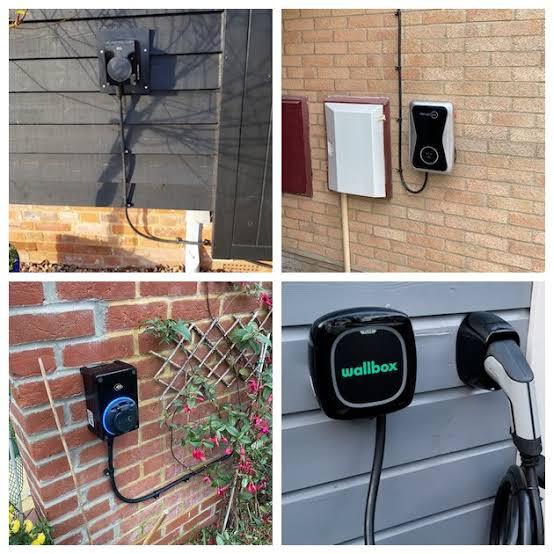
Types of Commercial EV Chargers
Level 2 Chargers (208–240V)
Level 2 chargers are the most common choice for commercial locations. They can fully charge an EV in 4–8 hours, making them ideal for workplaces, hotels, and retail centers where vehicles park for extended periods. Installation typically requires a 40–50 amp dedicated circuit per charger. For a warehouse in Surrey, a Surrey electrical services provider can determine how many Level 2 chargers your existing panel can support without an upgrade.
DC Fast Chargers (480V+)
DC fast chargers can charge an EV to 80% in 20–30 minutes. They are best suited for highway rest stops, fleet depots, and high-traffic commercial hubs. However, they require significant electrical capacity and are more expensive to install. A licensed electrician must evaluate your building’s service panel before you commit to DC fast charging. In Richmond, a Richmond electrician with commercial experience can advise whether your property is a suitable candidate for DC fast charging or whether Level 2 is a more practical first step.
Step-by-Step Commercial EV Charger Installation Process
Step 1: Site Assessment
A qualified electrician will visit your property to evaluate parking layout, traffic flow, and proximity to electrical panels. They will also determine whether you need bollards, signage, or cable management solutions. This assessment is critical because poorly placed chargers can lead to accessibility issues and costly rework.
Step 2: Electrical Capacity Check
Your existing electrical panel must have enough spare capacity to support the new chargers. In many older buildings in Langley, a panel upgrade to 200 amps or higher is necessary. This is where a Langley electrical contractor can save you time and money by accurately calculating your load requirements and recommending the most cost-effective upgrade path.
Step 3: Permits and Inspections
All commercial EV charger installations in British Columbia require an electrical permit. Your electrician will pull the permit, schedule inspections with Technical Safety BC, and ensure the work meets the Canadian Electrical Code. Failure to obtain proper permits can result in fines, forced removal of equipment, and voided insurance coverage.
Step 4: Installation and Testing
The installation involves mounting the chargers, running conduit and wiring, installing breakers, and configuring network connectivity. After installation, the electrician will test each charger and provide documentation for warranty and rebate purposes. They should also train your staff on basic operation and troubleshooting.
Costs and Rebates in British Columbia
Typical Costs
-
Level 2 charger hardware: $600–$1,500 per unit
-
Installation labor: $1,000–$3,000 per charger (depending on distance from panel)
-
DC fast charger: $30,000–$100,000+ including installation
Available Rebates
-
BC Hydro EV Charger Rebate: Up to 50% of installation costs for commercial properties
-
Federation of Canadian Municipalities (FCM): Grants for municipalities and businesses
-
CleanBC Go Electric: Rebates for workplace and fleet charging
Your electrician should be familiar with these programs and can help you prepare the required documentation. Many business owners miss out on thousands of dollars in rebates simply because they did not know these programs existed.
Choosing the Right Electrician for EV Charger Installation
Not all electricians have experience with EV charging infrastructure. When hiring a contractor, ask these questions:
-
Are you licensed and insured in British Columbia?
-
Do you have experience with commercial EV charger installations?
-
Can you provide references from similar projects?
-
Will you handle permits and rebates?
-
Do you offer ongoing maintenance and network support?
Whether you need a commercial electrician in North Vancouver for a multi-unit residential building or a specialist in West Vancouver for a luxury retail center, choosing a contractor with proven EV experience ensures a safe, code-compliant, and future-ready installation. Do not hire a general electrician who has never installed a networked charger before.
Maintenance and Management of Commercial EV Chargers
Software and Network Management
Most commercial chargers come with cloud-based software that allows you to set pricing, monitor usage, and manage access. Your electrician should configure this software during installation and train your staff on basic troubleshooting. Some networks charge monthly fees, so factor this into your ongoing budget.
Routine Maintenance
EV chargers require periodic inspection of cables, connectors, and electrical components. A preventive maintenance contract with your electrician can prevent downtime and extend equipment lifespan. In Port Moody and Pitt Meadows, many businesses schedule annual maintenance visits to coincide with their electrical panel inspections.
Conclusion
Commercial EV charger installation is a complex project that requires careful planning, precise electrical work, and deep knowledge of local regulations and rebates. By partnering with a licensed electrician who specializes in EV infrastructure, you can avoid costly mistakes and maximize your return on investment. Whether your property is in Maple Ridge, Coquitlam, Burnaby, Vancouver, Surrey, Richmond, or Langley, the right electrical contractor will guide you from site assessment to final inspection.