
A single power surge can destroy thousands of dollars worth of equipment in seconds. For businesses in Greater Vancouver, from retail stores in Maple Ridge to office towers in Vancouver, surge protection is not an optional add-on—it is a critical component of your electrical infrastructure. If you operate a restaurant in Coquitlam, you need a Coquitlam electrical contractor to install commercial-grade surge protective devices (SPDs) at your main panel. Similarly, warehouse managers in Burnaby should consult a Burnaby commercial electrician to protect expensive machinery and control systems. This guide explains what surge protection is, why it matters, and how to choose the right solution for your business.
What Is a Power Surge and How Does It Damage Equipment?
A power surge is a sudden increase in voltage that exceeds the normal flow of electricity. It can be caused by lightning strikes, utility grid switching, or even internal sources like large motors and HVAC systems turning on and off. Even a small surge of a few hundred volts can degrade electronic components over time, while a large surge can instantly fry circuit boards, data servers, and point-of-sale systems.
For a retail store in Surrey, a single surge could wipe out cash registers, security cameras, and inventory tracking systems. That is why many business owners now hire a Surrey electrical services provider to conduct a full surge risk assessment and install layered protection.
Types of Surge Protection Systems
Whole-Building Surge Protection
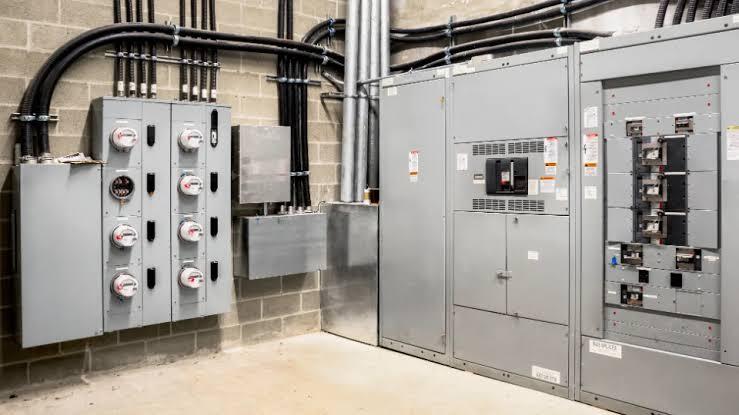
A whole-building surge protector is installed at your main electrical panel. It diverts excess voltage away from your equipment and into the ground. This type of protection is essential for any commercial property because it stops external surges from entering your building. In Richmond, a Richmond electrician can install a Type 1 or Type 2 SPD at your service entrance, protecting everything downstream.
Point-of-Use Surge Protectors
Point-of-use surge protectors are installed at individual outlets or equipment. They provide a second layer of defense for sensitive electronics like computers, servers, and medical devices. While they are not a substitute for whole-building protection, they are a valuable addition.
Uninterruptible Power Supplies (UPS)
A UPS provides battery backup and surge protection for critical equipment. It keeps your systems running during a brief outage and conditions the power to prevent surges from reaching your devices. For data centers and server rooms in Langley, a Langley electrical contractor can design a UPS solution that matches your load requirements.
Why Your Business Cannot Afford to Skip Surge Protection
Equipment Replacement Costs
Replacing a commercial HVAC control board, a network server, or a commercial refrigerator can cost thousands of dollars. In many cases, the downtime caused by waiting for replacement parts is even more expensive than the equipment itself. A properly installed surge protection system costs a fraction of these potential losses.
Data Loss and Corruption
For businesses that rely on digital records, a power surge can corrupt databases, erase files, and crash servers. Even with backups, restoring data takes time and can lead to lost sales and customer dissatisfaction. In Vancouver, many offices now require a Vancouver electrician to install surge protection as part of their disaster recovery plan.
Fire Risk
Severe surges can overheat wiring and cause electrical fires. This is a particular concern for older buildings where wiring may not meet current codes. A licensed electrician can inspect your panel and recommend surge protection that also reduces fire risk.
Insurance Requirements
Some commercial insurance policies now require proof of surge protection for coverage of electronic equipment. Without it, you may be denied a claim after a surge event. Installing SPDs is a simple way to ensure your business remains fully covered.
How to Choose the Right Surge Protection for Your Business
Step 1: Assess Your Risk
Not all businesses face the same surge risk. A restaurant with large refrigeration compressors has different needs than a law office with dozens of computers. A qualified electrician will evaluate your location, utility history, and equipment sensitivity to recommend the right level of protection.
Step 2: Select the Correct SPD Type
-
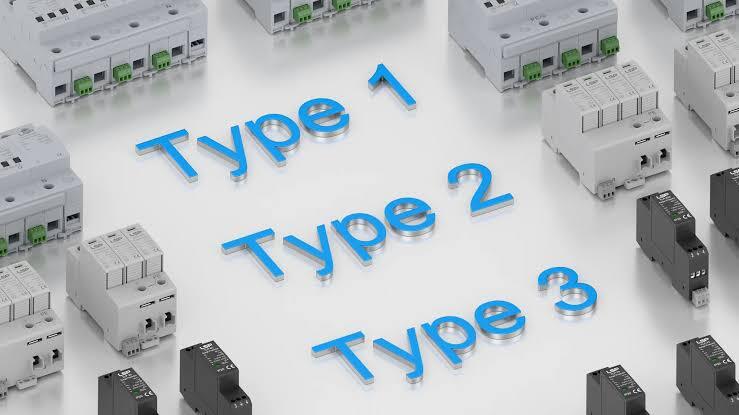
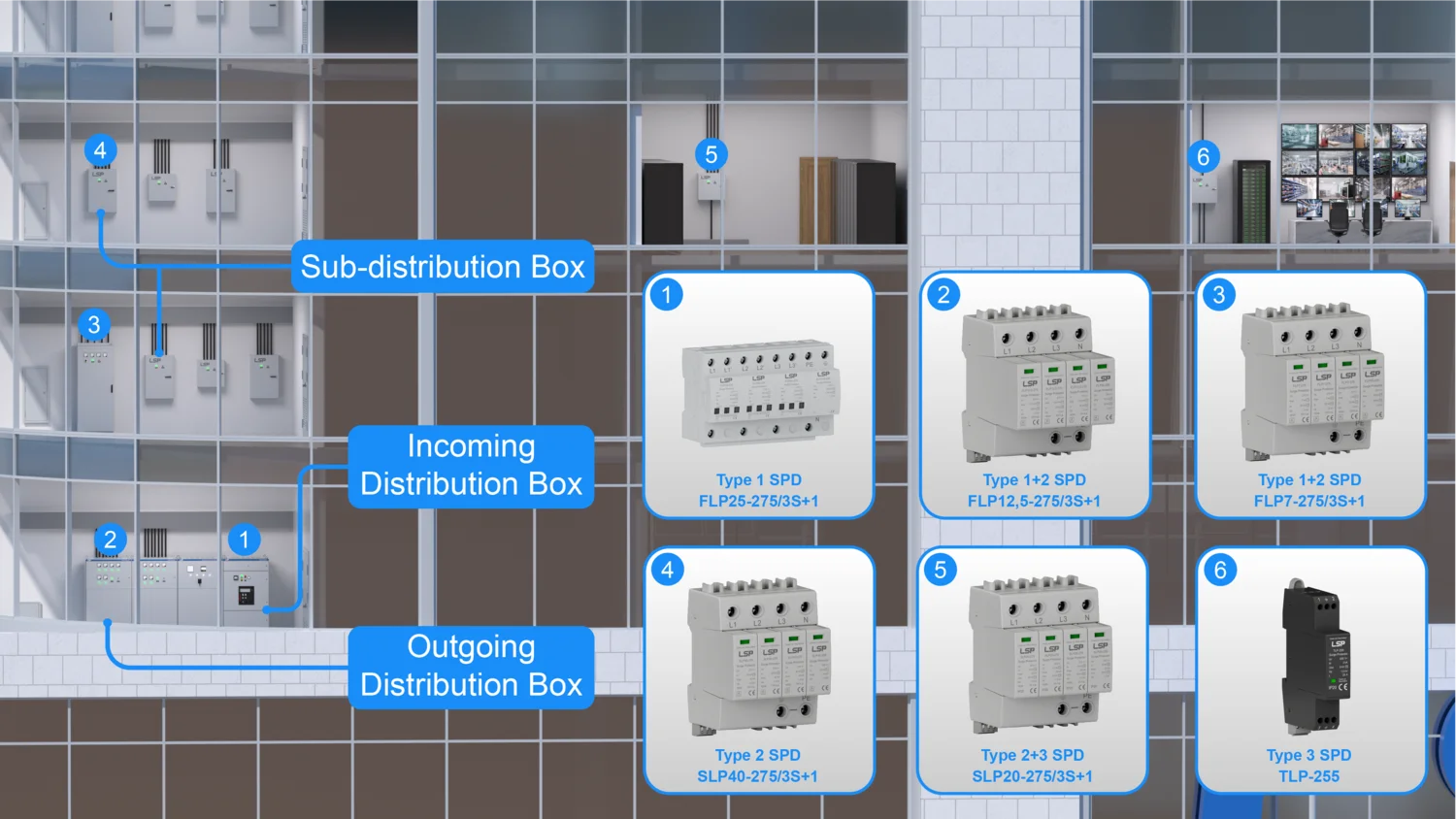
Type 1 SPD: Installed at the service entrance, protects against external surges.
-
Type 2 SPD: Installed at distribution panels, protects against residual surges.
-
Type 3 SPD: Installed at point of use, protects individual devices.
Most commercial properties benefit from a combination of Type 1 and Type 2 protection, with Type 3 for critical equipment.
Step 3: Ensure Proper Installation
Surge protectors must be installed with short, straight wiring to the ground to be effective. A poorly installed SPD may not divert surges properly and can even create a fire hazard. Always hire a licensed electrician for this work. In Maple Ridge, for example, an Electrician in Maple Ridge can ensure your SPD is installed to manufacturer and code requirements.
Step 4: Schedule Regular Inspections
Surge protectors can wear out after absorbing multiple surges. Most manufacturers recommend annual inspections and replacement every 3–5 years. Your electrician can test your SPD and let you know when it needs replacement.
Surge Protection for Different Business Types
Restaurants and Grocery Stores
Refrigeration units, POS systems, and lighting are all vulnerable to surges. A single surge can spoil inventory and force you to close for repairs. Install whole-building protection plus point-of-use protectors for cash registers and walk-in coolers.
Offices and Coworking Spaces
Computers, servers, and phone systems are highly sensitive. A surge can wipe out an entire day’s work. Consider a UPS for your server room and Type 3 protectors for individual workstations.
Warehouses and Manufacturing
Motors, conveyors, and control systems are expensive to repair or replace. A surge can halt production for days. Whole-building protection combined with surge protection at motor control centers is essential.
Retail Stores
Security systems, inventory scanners, and digital signage are all at risk. Even a brief surge can disable your loss prevention system. Install SPDs at the main panel and at each checkout station.
The Cost of Surge Protection vs. The Cost of Doing Nothing
A whole-building surge protector typically costs between $500 and $2,500 installed, depending on your panel size and building layout. Point-of-use protectors cost $50–$200 each. Compared to the cost of replacing a commercial HVAC system ($5,000–$15,000) or a server ($3,000–$10,000), surge protection is one of the highest-ROI electrical upgrades you can make.
Moreover, many insurance companies offer premium discounts for businesses with documented surge protection. Your electrician can provide the documentation you need to claim these discounts.
Why Professional Installation Matters
DIY surge protection is risky. If the device is not properly grounded or if the wiring is incorrect, it may fail to protect your equipment or even cause a fire. In British Columbia, all electrical work must be performed by a licensed electrician and inspected by Technical Safety BC. Hiring a professional ensures your surge protection system works when you need it most.
Conclusion
Power surges are unpredictable, but their consequences are not. By installing commercial surge protection, you protect your equipment, your data, and your business continuity. Whether you operate in Maple Ridge, Coquitlam, Burnaby, Vancouver, Surrey, Richmond, or Langley, a licensed electrician can design a layered protection strategy that fits your budget and risk profile. Do not wait for a surge to cause thousands of dollars in damage—take action today and secure your business against one of the most common and costly electrical hazards.